I am applied ecologist whose research is embedded in practice and human-dominated landscapes. My research asks: 1) How do urban conditions impact ecological function, from population and community dynamics to landscape processes and interactions; and 2) How can we adapt planning, design, and management practices to address urban and climate associated impacts and improve the long-term sustainability of urban greenspaces? I address these theoretical and applied questions at multiple scales and through innovative methods that range from field experiments, to meta-analyses, and modeling.
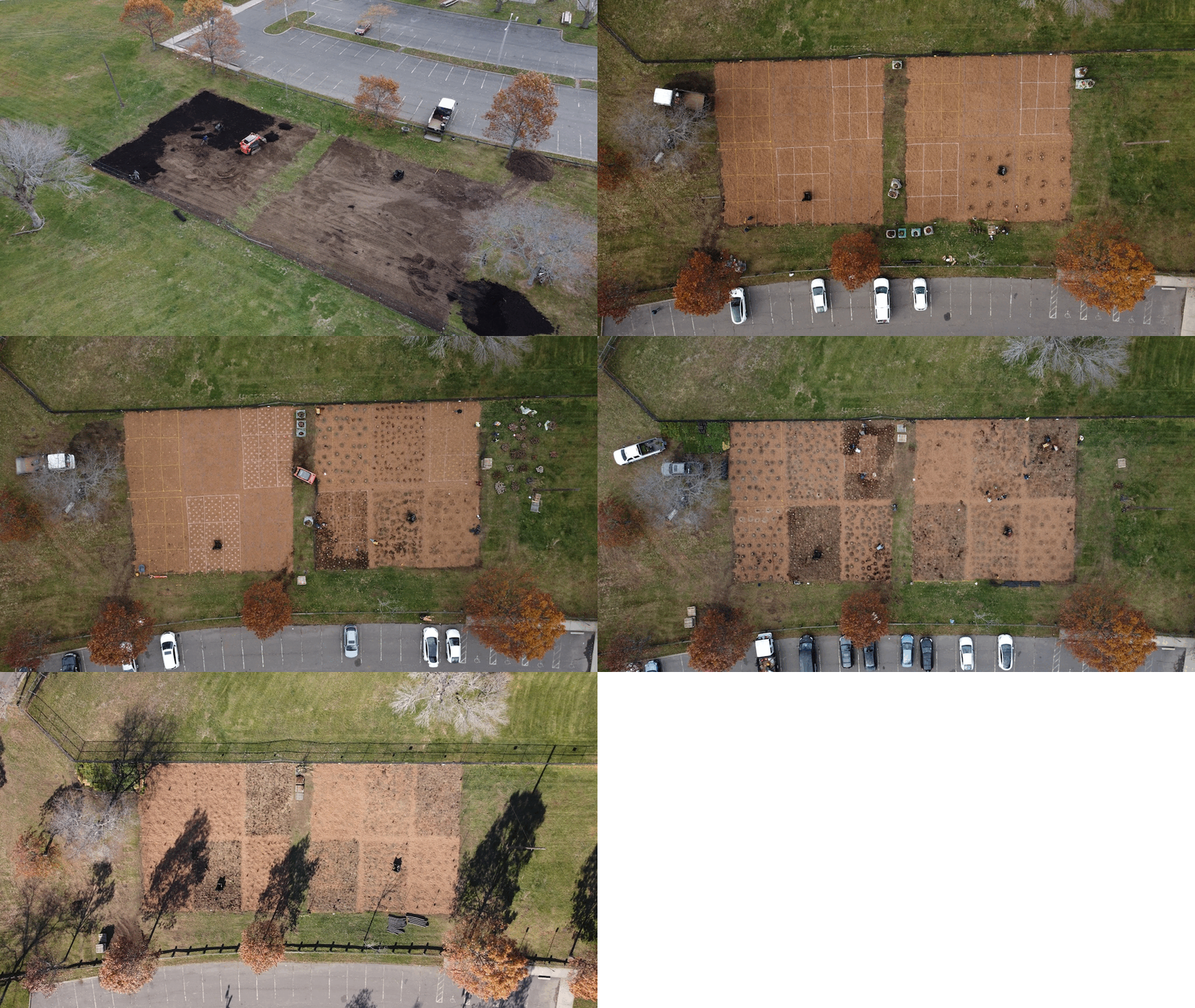
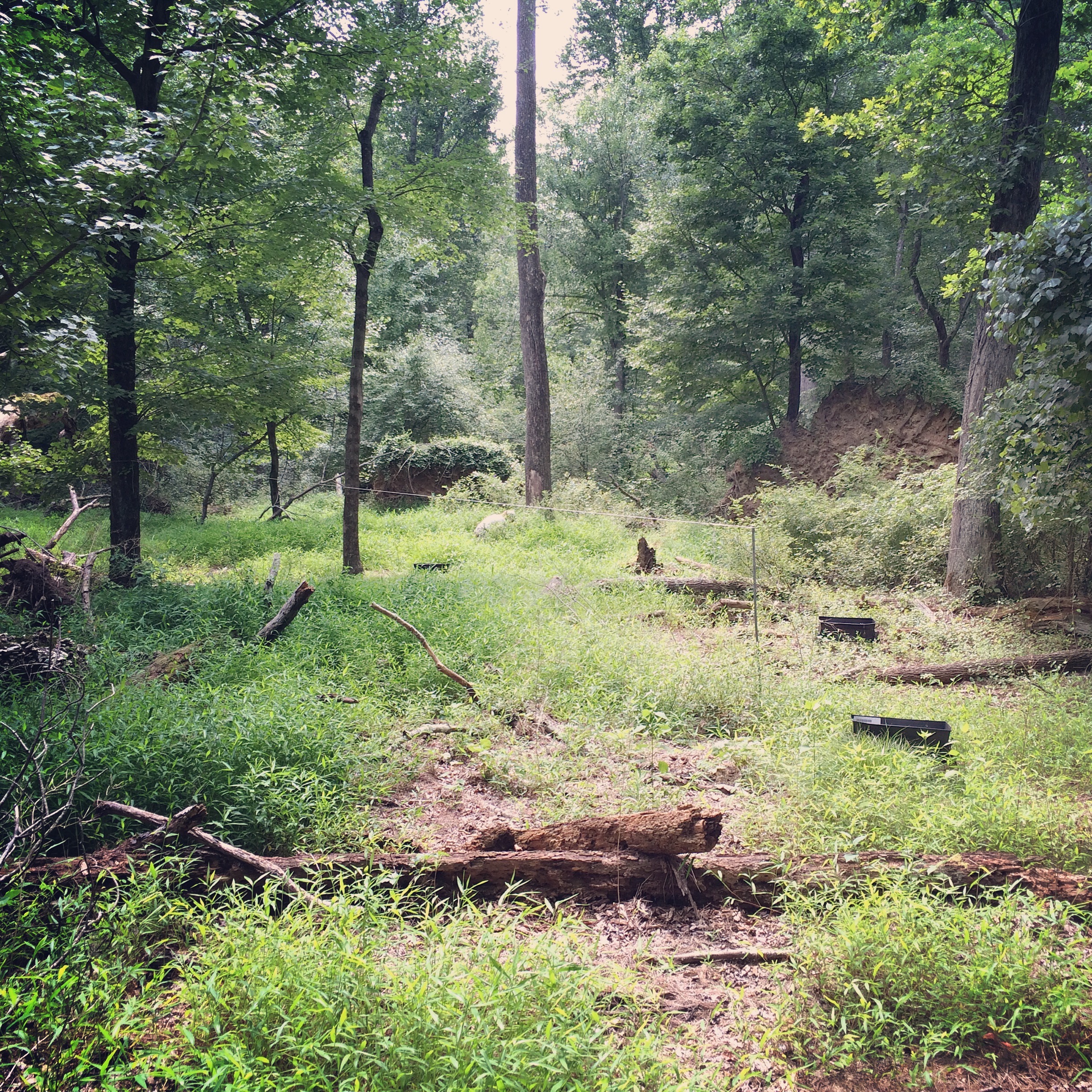
Urban forests comprise “all trees in the city, on public and private property, and within the many land uses one finds in cities and towns” (NUFAC USFS 2015). Frequently overlooked in cities, however, are the forested natural areas amongst the trees. I would argue that urban forest natural areas meet the criteria and traditional defintions of forests, and therefore, opportunity exists to draw from rural forest management and silviculture methods to reposition urban forested natural area management. With this understanding, I have developed research experiments that test novel conservation strategies designed to facilitate the establishment of native forest communities in urban and degraded sites.
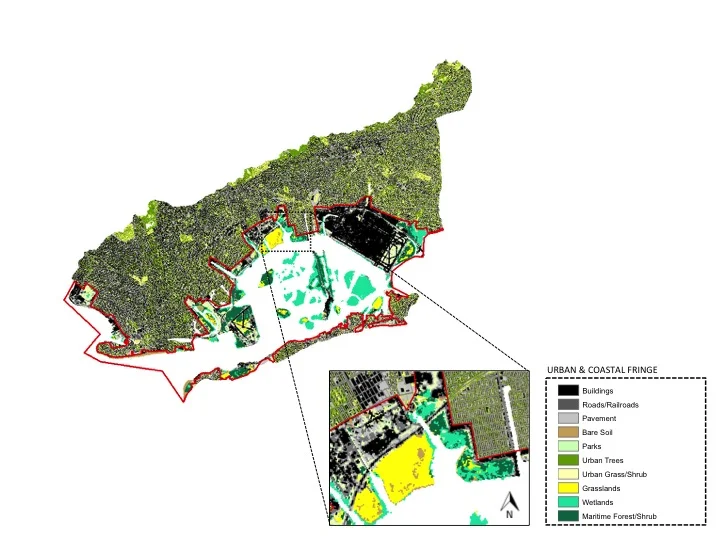
A fundamental objective of my research is to advance mechanistic understanding within urban ecology. Recent research suggests that plant community diversity shifts across urban-rural gradients, however there is limited understanding of the key ecological processes and urban drivers, such as heat island, biotic invasion, pollution, and human activity, behind these observations. To address this knowledge gap I have developed an urban plant recruitment limitation framework (pictured) and am leading a long-term study comparing plant recruitment dynamics, including seed production, seed dispersal and seed predation through to early-establishment, in urban forest natural areas and rural forests, located in New York City and the New York Highlands.
Which species persist in cities? Which don’t? Do cities experience biotic homogenization? To what extent is regional biodiversity represented in urban areas? What are the conditions that enable higher biodiversity?
As a member of the NSF-funded UrBioNet, I am actively engaged in the synthesis and metanalysis of global research on urban biodiversity patterns, including the impact of different urban drivers on taxonomic and functional trait diversity across multiple taxa.
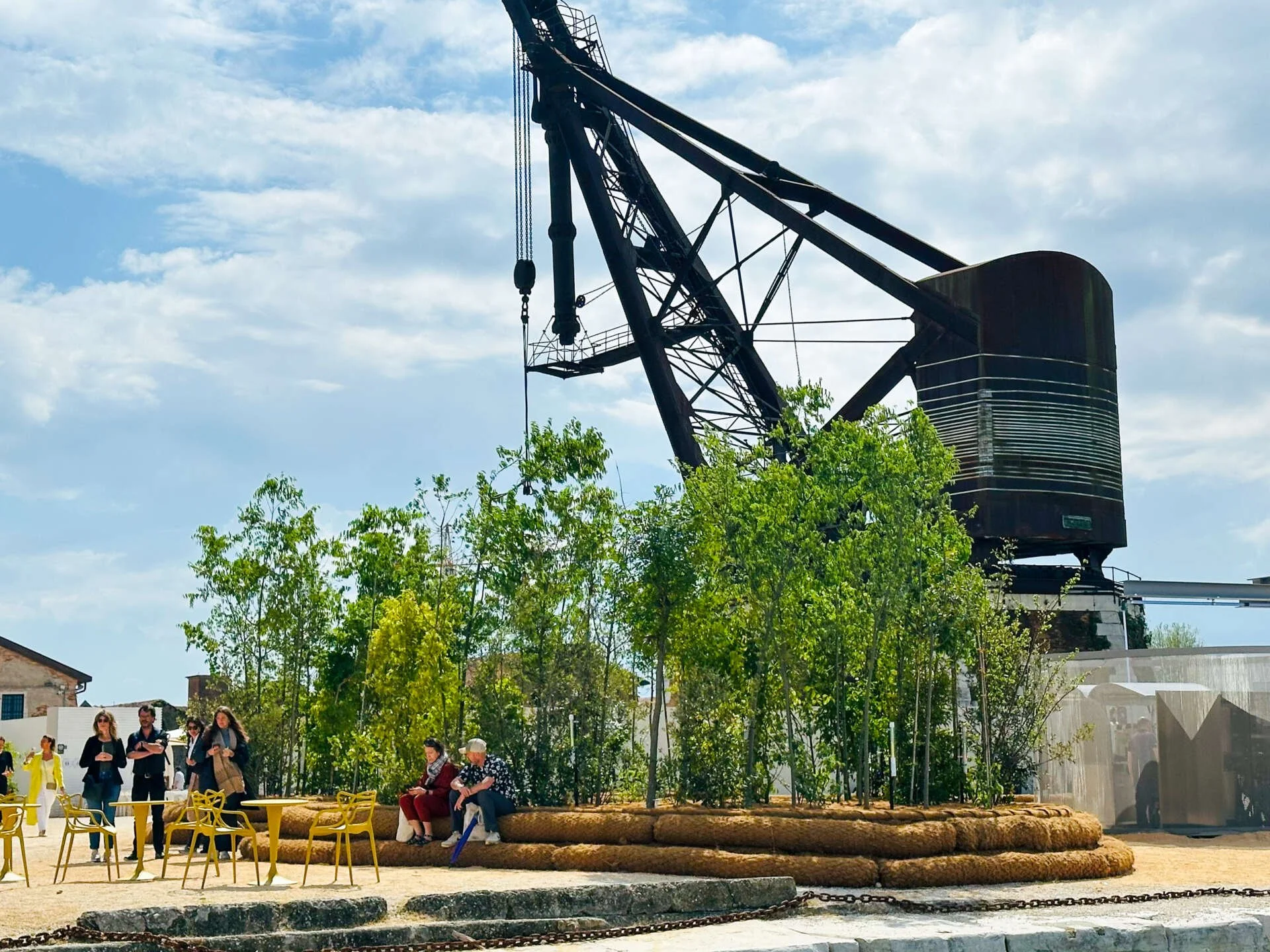
Cool Forest was an installation led by SCAPE for the the 19th International Architecture Exhibition of La Biennale di Venezia, “Intelligens. Natural. Artificial. Collective,” curated by Carlo Ratti in 2025. The Cool Forest project spotlights Venice’s changing climate and the role of landscape as essential urban infrastructure.
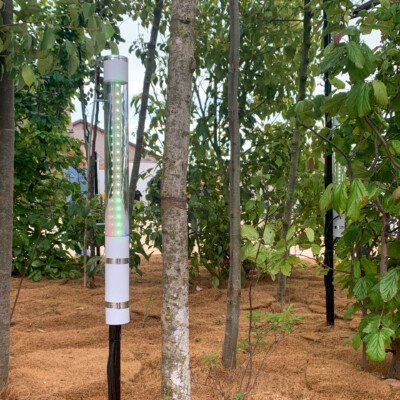
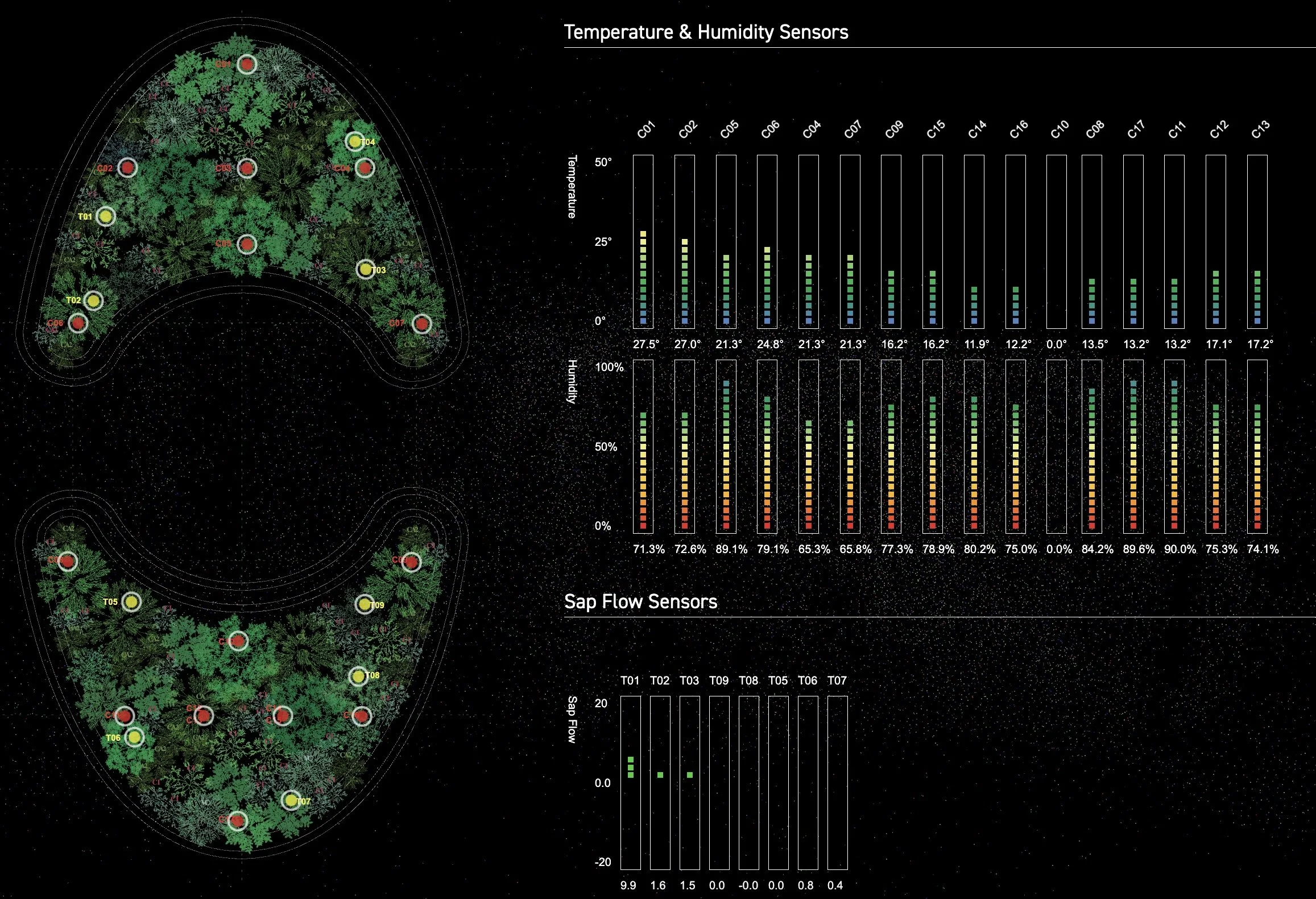
The installation features trees that are adapted to hotter, drier weather—assisting plant migration that is essential in designing resilient landscapes. Embedded sensors track thermal comfort, tree growth, and change within the installation, while an expanded sensor network tracks microclimate conditions across the city of Venice. Lined with coir logs that double as shady comfortable seating, elements of the installation will be planted and redeployed in the city and lagoon after the exhibition closes. The GSD team, which included Max Piana, Craig Douglas (GSD), Justin Booz,(GSD/ETH), and MLA students, developed the sensor, light display, and real time data interpretation in Cool Forest.
You can explore the Cool Forest and data here.
Coming soon…
Coming soon…
The benefits of green roofs are derived from their existence as functional, living ecosystems. While the architectural elements of a green roof assembly can be thought of as fixed, the biological components of a roof, its vegetation and growing media, are dynamic. This research monitors more than 10 years of green roof plant community dynamics on green roofs located on university buildings throughout the northeast. These building/roofs were designed by, and the research conducted in partnership with, KieranTimberlake, an innovative architecture firm located in Philadelphia, and where I worked as a member of the research group from 2012-2014.
Related publications:
Coming soon...
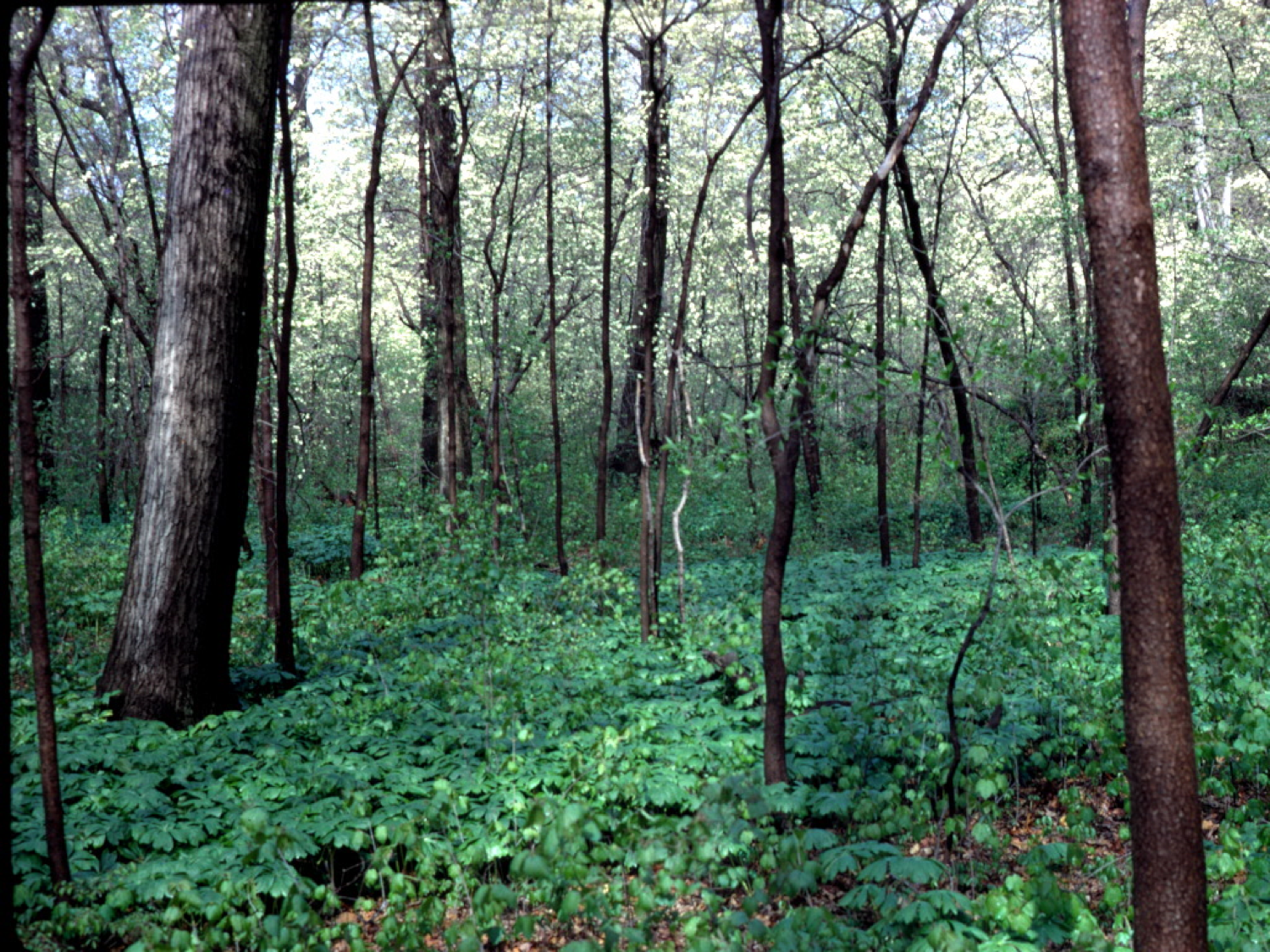
Hutcheson Memorial Forest is a Rutgers research and teaching facility. Designated as a National Natural Landmark, HMF boasts one of the last uncut forests in the Mid-Atlantic. With more than 200 hectares of land under conservation, the HMF Center is devoted to protection of the old forest and research aimed at advancing ecological understanding. As the land manager of the forest I am involved in several research projects on site including long-term observations of community change in the old growth forest, recruitment dynamics in invaded forest gaps, and restoration/management strategies following the exclusion of deer.